By Celso Singo Aramaki + AI (Updated January 2026)
Noograms explores how art and AI can expand storytelling—without replacing the human core of narrative. We believe stories connect, inspire, and shape culture. Our work focuses on building tools and experiences that make narratives more interactive, more layered, and easier to explore.
Noograms is a single universe expressed through three connected parts: a graphic novel (manhwa), a narrative engine lab, and a set of AI-supported characters that readers can interact with.
The graphic novel
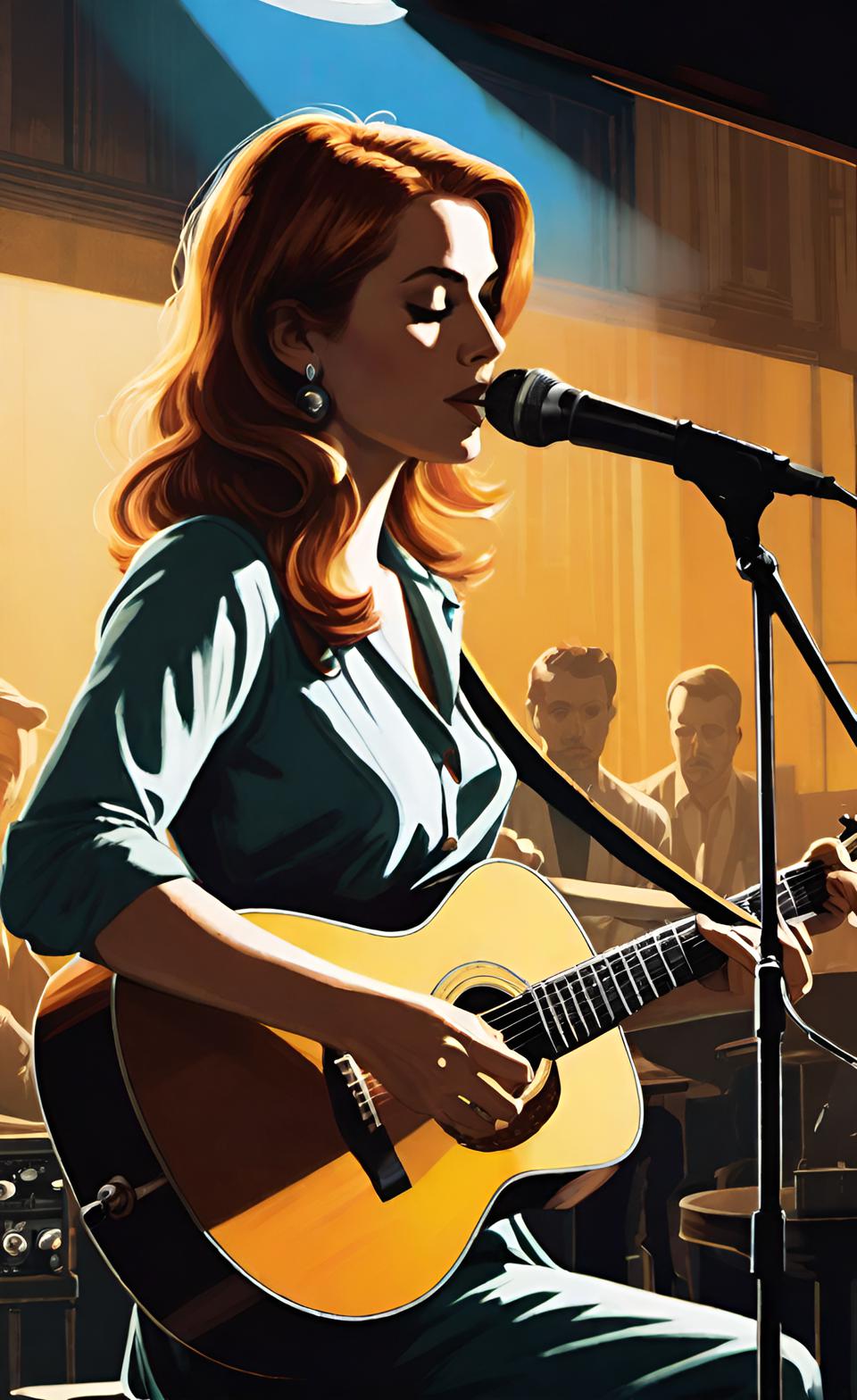
At the center of Noograms is a graphic novel created by Celso Singo Aramaki. It follows an indie grunge rock band moving through New York City in the 1990s—friendship, ambition, identity, and the uncertainty of early adulthood. The story draws inspiration from the idea of the Noosphere (Pierre Teilhard de Chardin), synergy (Buckminster Fuller), and long-term cultural thinking (The Long Now Foundation), using music and city life as a way to talk about creativity and direction.
The Noograms framework
Narrative Engine Lab
Noograms also functions as a small lab for building and testing narrative engines—structures and tools that help creators prototype interactive story formats.
In 2026 terms, this means working with:
- modern LLM-based assistants for drafting and iteration
- retrieval systems (so stories and characters can reference canon safely)
- lightweight agent workflows (role-based agents, critique passes, writers’ room loops)
- rapid prototyping (interactive demos, branching scenes, story “simulators”)
The emphasis is practical: tools that support writers and artists, not systems that pretend to replace them.
AI-supported characters
Some characters from the graphic novel can be explored through interactive agents—guided chat experiences shaped by:
- a defined backstory and personality
- story “canon” boundaries (what the character can and can’t claim)
- curated knowledge (music/culture references, setting context)
- safety and consistency rules (so the experience stays coherent)
These agents are designed as an extension of the worldbuilding: a way to explore the universe from inside it, while keeping the authorial narrative intact.
What you can do here
Interactive graphic novel
Follow the band’s journey through 1990s NYC with visual storytelling and optional interactive elements that deepen the world.
Narrative Engine Lab
Experiment with tools and templates to prototype interactive stories, map narrative arcs, and test structure—fast.
AI-supported characters
Talk with selected characters to explore their perspectives, memories, and motivations—within the boundaries of the story.
Who this is for
Creatives
- Storytelling tools to prototype interactive narratives
- Character development support (profiles, arcs, dialogue testing, consistency checks)
Technologists
- Applied AI experiments in narrative and worldbuilding
- Interactive prototypes for story, learning, and entertainment contexts
Educators and researchers
- Narrative-based learning experiments and interactive modules
- Research pathways on storytelling, human-computer co-creation, and character simulation